 Skip to content

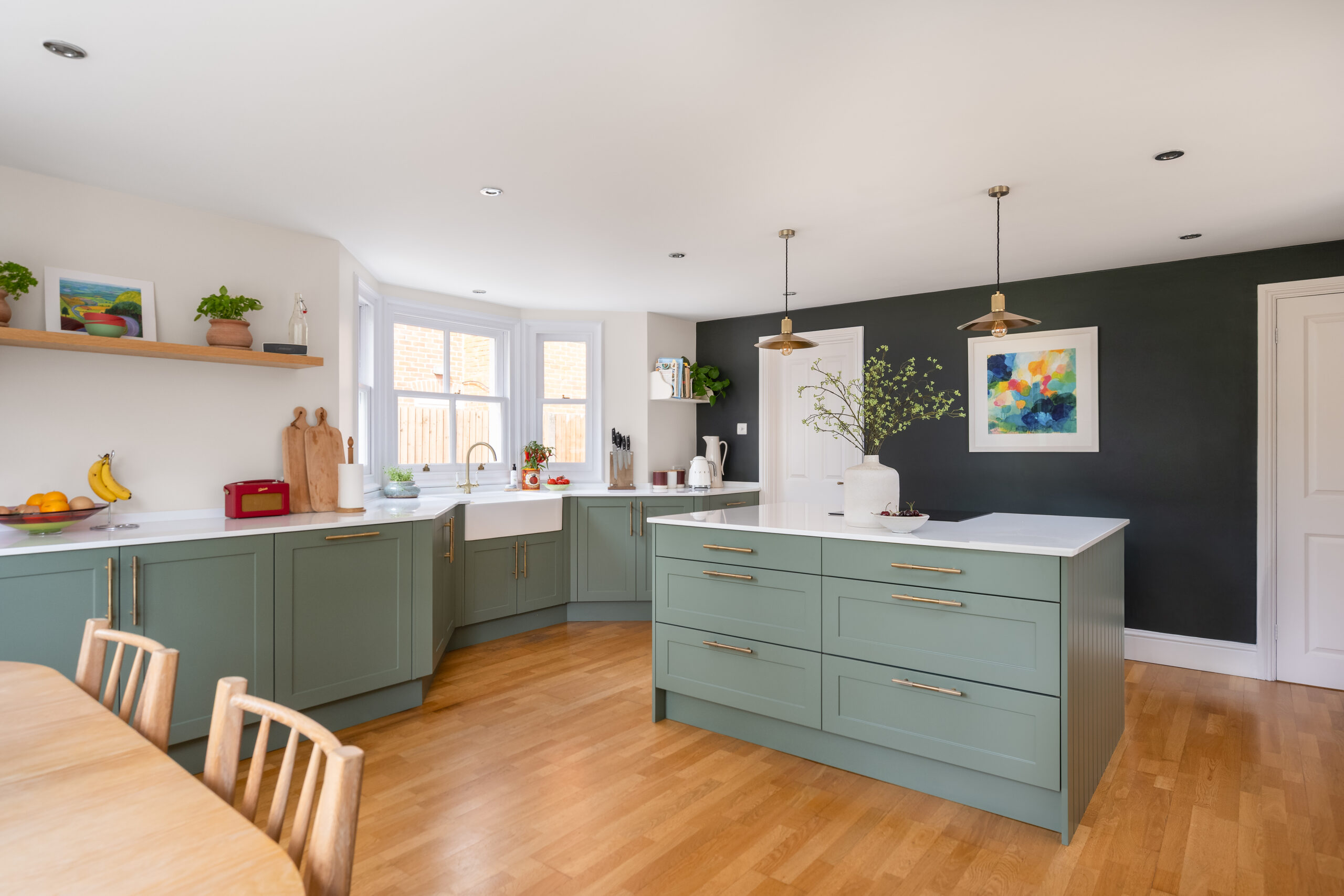
Before becoming a kitchen designer, I spent years working as a professional chef. Long before I was discussing cabinetry, worktops and lighting schemes with clients, I was working in environments where efficiency, organisation and functionality mattered every minute of every day.
That experience has shaped the way I approach kitchen design. While aesthetics are important, I’ve learned that the best kitchens are about much more than appearances. A truly successful kitchen is one that works beautifully for the people who use it every day.
When I design a kitchen, I don’t just think about colours, finishes or the latest trends. I think about how people move through the space. I think about how they cook, entertain, unload shopping and gather with family. Most importantly, I think about how the kitchen will support the way they live, not just how it will look on installation day.
Why Good Kitchen Design Starts With Flow
One of the most important lessons I learned as a chef was the value of flow.
In a professional kitchen, every movement matters. A poorly positioned fridge, an awkward worktop or a lack of preparation space can slow everything down. While most homeowners aren’t serving hundreds of meals a day, the same principles apply.
As part of our kitchen design process, we spend time understanding how a space will be used before making design decisions. Rather than relying solely on the traditional kitchen work triangle, I often think in terms of zones.
There is a preparation zone, a cooking zone and a cleaning zone. Each area should be positioned to make everyday tasks feel effortless and intuitive.
Whether you’re preparing a family meal, entertaining friends or making your morning coffee, a well-planned kitchen layout reduces frustration and makes the room far more enjoyable to use.
Great kitchen design should support your routines rather than force you to work around the space.
What Professional Kitchens Can Teach Us About Home Kitchen Design
Professional kitchens are designed around efficiency, organisation and ease of use.
That doesn’t mean your home should feel like a restaurant kitchen. Quite the opposite.
The principles that make commercial kitchens successful can be applied in a much more subtle way within the home. Thoughtful kitchen design is about creating a space that feels calm, intuitive and easy to navigate.
It’s about ensuring frequently used items are within easy reach, that work surfaces are where they’re needed most, and that the layout feels natural rather than forced.
The goal isn’t to recreate a professional kitchen. It’s to create a kitchen that works beautifully for everyday life.
Choosing Materials That Work Beautifully For Everyday Life
One thing years in professional kitchens taught me is that materials matter.
A kitchen is one of the hardest-working rooms in the home. Surfaces are exposed to heat, moisture, spills and constant use, so choosing the right materials is essential.
In a bespoke kitchen, materials need to do more than look beautiful on day one. They need to continue performing for years to come.
Quartz remains one of my most recommended worktop materials because it combines durability with low maintenance. It stands up exceptionally well to everyday family life whilst retaining its appearance.
Porcelain is another excellent option, particularly for keen cooks. Its resistance to heat, staining and scratching makes it incredibly practical, while its aesthetic versatility suits both traditional and contemporary kitchens.
In certain situations, I also love incorporating timber worktops or butcher’s block surfaces. They bring warmth and character to a kitchen and can create wonderful dedicated preparation areas when used thoughtfully.
The best material choices are always those that balance beauty, practicality and longevity.
Why Lighting Matters More Than Most Homeowners Realise
Lighting is one of the most overlooked elements of kitchen design, yet it has a huge impact on how a space feels and functions.
As a chef, good lighting was essential. Being able to clearly see ingredients, textures and colours directly affected the quality of the food being produced.
While the demands of a family kitchen are different, the principle remains the same.
A well-designed kitchen should include layers of lighting that support different activities throughout the day. Bright task lighting helps with food preparation and cooking, while softer ambient lighting creates warmth and atmosphere during the evening.
Under-cabinet lighting, carefully positioned spotlights and feature pendants can all play an important role in creating a kitchen that feels both practical and welcoming.
When planned properly, lighting enhances not only the appearance of a kitchen but the experience of using it.
Kitchen Storage Ideas That Make Everyday Life Easier
Storage is often one of the biggest frustrations in older kitchens.
Over the years, I’ve learned that good storage isn’t about fitting in as many cupboards as possible. It’s about creating storage that works naturally for the way people live.
The best storage solutions are often the ones you hardly notice because they simply make everyday life easier.
Deep drawers for pans, pull-out larders, dedicated spice storage, integrated recycling systems and carefully planned internal organisers can transform the usability of a kitchen.
When everything has a logical place, the room feels calmer, more organised and easier to maintain.
For homeowners investing in a kitchen for their forever home, thoughtful storage planning can make just as much difference as the cabinetry itself.
Designing a Kitchen That’s Easy to Live With
One of my favourite professional kitchen principles is simple: clean as you go.
A kitchen that is easy to clean is a kitchen that gets used more often and enjoyed more fully.
This is why practical details matter.
Deep sinks, high-quality taps, durable surfaces and well-planned waste and recycling solutions might not be the most exciting design decisions, but they make a significant difference to everyday life.
The best kitchens aren’t precious spaces that people are afraid to use. They’re welcoming, hardworking rooms that support everything from busy weekday breakfasts to large family gatherings.
Designing for ease of use is every bit as important as designing for appearance.
The Difference Between a Beautiful Kitchen and a Functional Kitchen
Beautiful kitchens attract attention.
Functional kitchens improve daily life.
The most successful projects combine both.
At Nu Kitchen, we believe great kitchen design starts with understanding how people live. Every family is different, every home is different and every kitchen should reflect that.
My experience as a professional chef gives me a different perspective on how kitchens function day to day, helping clients create spaces that are not only beautiful, but practical, intuitive and designed to stand the test of time.
After all, the best kitchens aren’t simply admired. They’re used, enjoyed and lived in for years to come.
This article was written by Claire, a former Michelin trained chef and chef to the Jordanian Royal family. She is now our lead kitchen designer at Nü Kitchen.